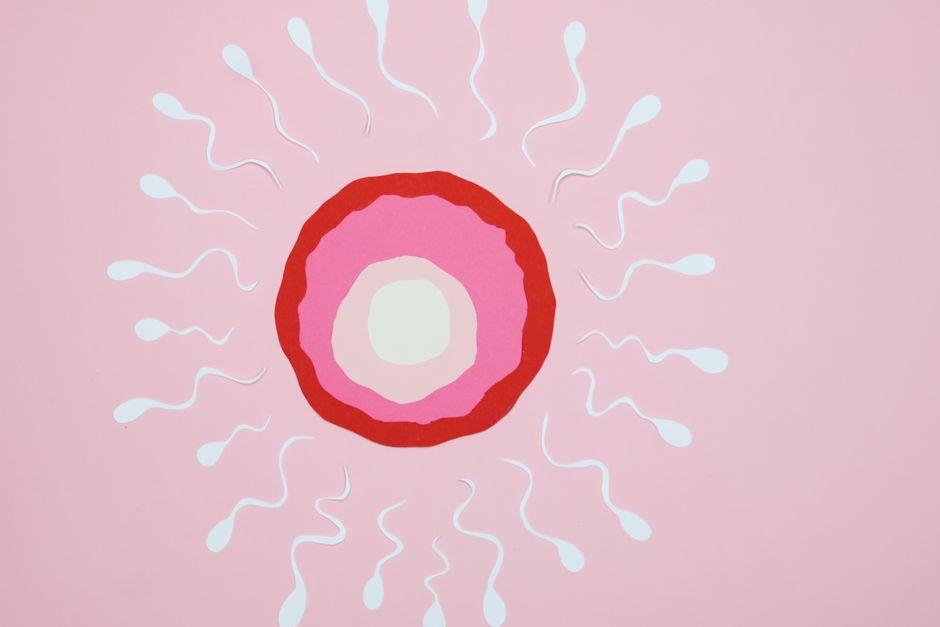
Timing, intimacy, connection-these elements intertwine in the delicate dance of conception and relationship. For those navigating the path to parenthood or seeking to deepen their bond with a partner, understanding the optimal moments for intimacy can feel both complex and meaningful. So, when is the best time to have intercourse for fertility and connection? Exploring the rhythms of the body and the nuances of emotional intimacy can illuminate this often-mysterious aspect of reproductive health, helping couples synchronize their desires, increase their chancesand experience the shared journey more fully.
Table of Contents
- Understanding the Ovulation Cycle and Its Role in Optimal Timing
- Aligning Intimate moments with Fertile Windows for Increased Chances
- Fostering Connection During Peak Fertility Periods
- Practical Tips for Synchronizing Emotional Intimacy and Biological Timing
- Q&A
- The Conclusion

Understanding the Ovulation Cycle and Its Role in Optimal Timing

—
Knowing when you ovulate is key to planning intercourse for fertility. Ovulation is when an egg is released from your ovary, ready to meet sperm. This usually happens once a month and is the most fertile window in your cycle. By tracking signs like basal body temperature or cervical mucus, you can better estimate your fertile days.This helps you time intercourse for when you’re most likely to conceive.
During the ovulation phase, your body produces hormonal changes signaling your fertile period. Recognizing these signs can boost your chances of pregnancy without needing complex tests. For example, clear, stretchy cervical mucus frequently enough indicates ovulation. Understanding your unique cycle pattern also makes planning easier and more natural,especially if you’re aiming for a deeper connection during intimacy. Proper knowledge of your cycle empowers you to choose the best time for meaningful, fertility-focused moments.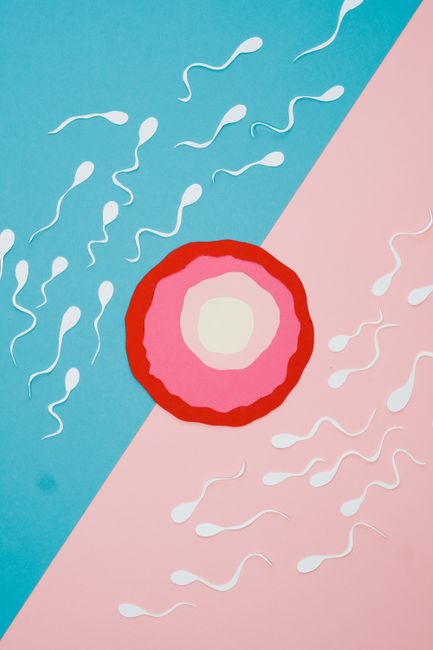
Aligning Intimate Moments with Fertile Windows for Increased Chances
Finding the best time to have intercourse for fertility depends on understanding your body’s natural rhythms. Many women notice that their most fertile days occur just before and during ovulation, which is when an egg is released from the ovary. Having sex around this time can significantly boost the chance of conception. Tracking ovulation signs, like changes in cervical mucus or basal body temperature, can help pinpoint these fertile windows without relying on complicated equipment.
timing intercourse to match your fertile window can make a noticeable difference. for example, using ovulation test kits is simple and provides clear results on when you’re most likely to ovulate. During these days, it’s a good idea to have sex every other day to maximize the likelihood of sperm being present when the egg is available. Naturally, products like fertility monitors or lubricants designed for conception can support this process, making each intimate moment more effective for increasing your chances of pregnancy.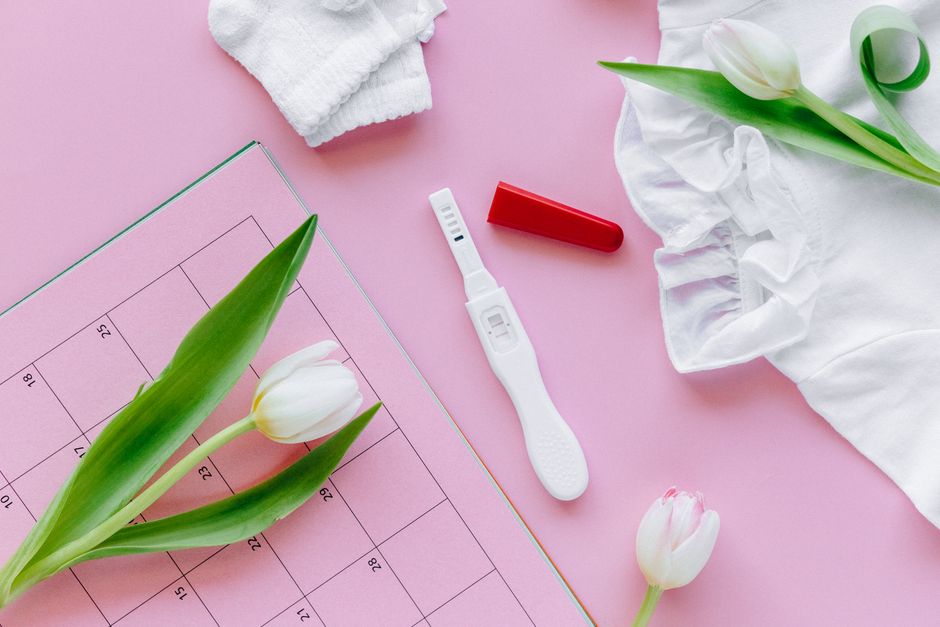
fostering Connection During Peak Fertility Periods
during the most fertile days, couples frequently enough find that focusing on emotional intimacy enhances their bond. When you understand your ovulation window,it’s helpful to create a relaxed,supportive atmosphere. Simple gestures like cuddling or sharing meaningful conversations can strengthen your connection. This emotional closeness not only makes intimacy more enjoyable but also boosts your chances of conception. Keeping communication open about your feelings and expectations helps both partners feel more connected and less stressed.
Additionally, timing intercourse for peak fertility can reduce pressure, leading to more natural and enjoyable experiences. Incorporating lighthearted activities or romantic routines helps maintain a sense of closeness. Remember, feeling emotionally secure and connected can positively influence your fertility journey. Prioritizing emotional intimacy during these special days makes the experience more meaningful and supported, ultimately fostering both closeness and fertility success.
Practical Tips for Synchronizing Emotional Intimacy and Biological Timing
Focusing on emotional closeness can definitely help you tune into your partner’s natural fertility signals. When you feel emotionally connected, it’s easier to notice subtle signs of ovulation, like changes in mood or energy. Creating a cozy, relaxed atmosphere encourages open communication.This can help both partners feel more attuned to each other’s needs, making it easier to plan intimacy around fertile days.On the biological side, keeping track of your menstrual cycle is key. Using simple tools like fertility apps or ovulation tests can help identify your most fertile window. Combining this with emotional awareness means setting aside special moments during high fertility days. This balanced approach fosters not just better chances of conception but also enhances your emotional bond, making the experience more meaningful and less stressful for both of you.
Q&A
Q&A: When Is the Best Time to Have Intercourse for Fertility and Connection?
Q1: What is the most optimal time during the menstrual cycle to conceive?
A: The prime window typically occurs around ovulation, which usually happens mid-cycle-about 12 to 16 days before your period starts. This is when an ovary releases an egg, making intercourse during this fertile period more likely to result in conception.
Q2: How can I accurately identify my ovulation days?
A: Several methods can help pinpoint ovulation, including tracking basal body temperature, observing cervical mucus changes, using ovulation predictor kitsor monitoring cycle patterns over time.Combining these methods increases accuracy.
Q3: Beyond fertility, why is timing important for intimacy?
A: While timing boosts chances of conception, having sex around ovulation can also foster intimacy and connection.Sharing this special period can deepen emotional bonds, enriching your relationship beyond physical closeness.
Q4: is it necessary to have intercourse every day during the fertile window?
A: Not necessarily. Having sex every 2 to 3 days throughout your cycle generally covers your fertile window, maintaining sperm viability and increasing the odds of conception without putting pressure on daily intercourse.
Q5: How does timing influence emotional connection in a relationship?
A: Synchronizing intimacy with your partner during your most fertile days can foster shared anticipation and teamwork, strengthening emotional ties. It reminds both of you of your mutual journey and shared goals.
Q6: Are there any precautions or considerations to keep in mind?
A: While focusing on timing, it’s vital to listen to your body, maintain open communication with your partnerand seek medical advice if you’re experiencing difficulties or have concerns about fertility.
Q7: Can adjusting timing improve chances for couples facing fertility challenges?
A: yes, targeted timing-particularly identifying and optimizing your fertile window-can improve conception odds. Consulting with a healthcare provider can provide personalized guidance and additional options.
Q8: Is there any benefit to having sex outside of the fertile window?
A: Engaging in intimacy outside the fertile window still holds emotional and relational value. In certain specific cases, it also reduces pressure and keeps intimacy enjoyable, irrespective of fertility timing.
Q9: How can couples balance timing for fertility and maintaining a strong emotional connection?
A: Open communication is key. Planning intimate moments around your fertile days while ensuring regular affection and closeness fosters both conception goals and emotional intimacy.
Q10: What is the main takeaway about timing intercourse for fertility and connection?
A: The best approach balances scientific awareness of your ovulation cycle with emotional intimacy, creating a space for connection while strategically optimizing your chances of conception.
The Conclusion
Understanding the optimal timing for intimacy not only enhances your chances of conception but also deepens the connection between you and your partner. By tuning into your bodies and embracing a mindful approach,you can navigate the journey with greater confidence and closeness. Remember, every couple’s rhythm is unique-trust your instincts and communicate openly. Here’s to nurturing both your fertility and your bond, one moment at a time.

