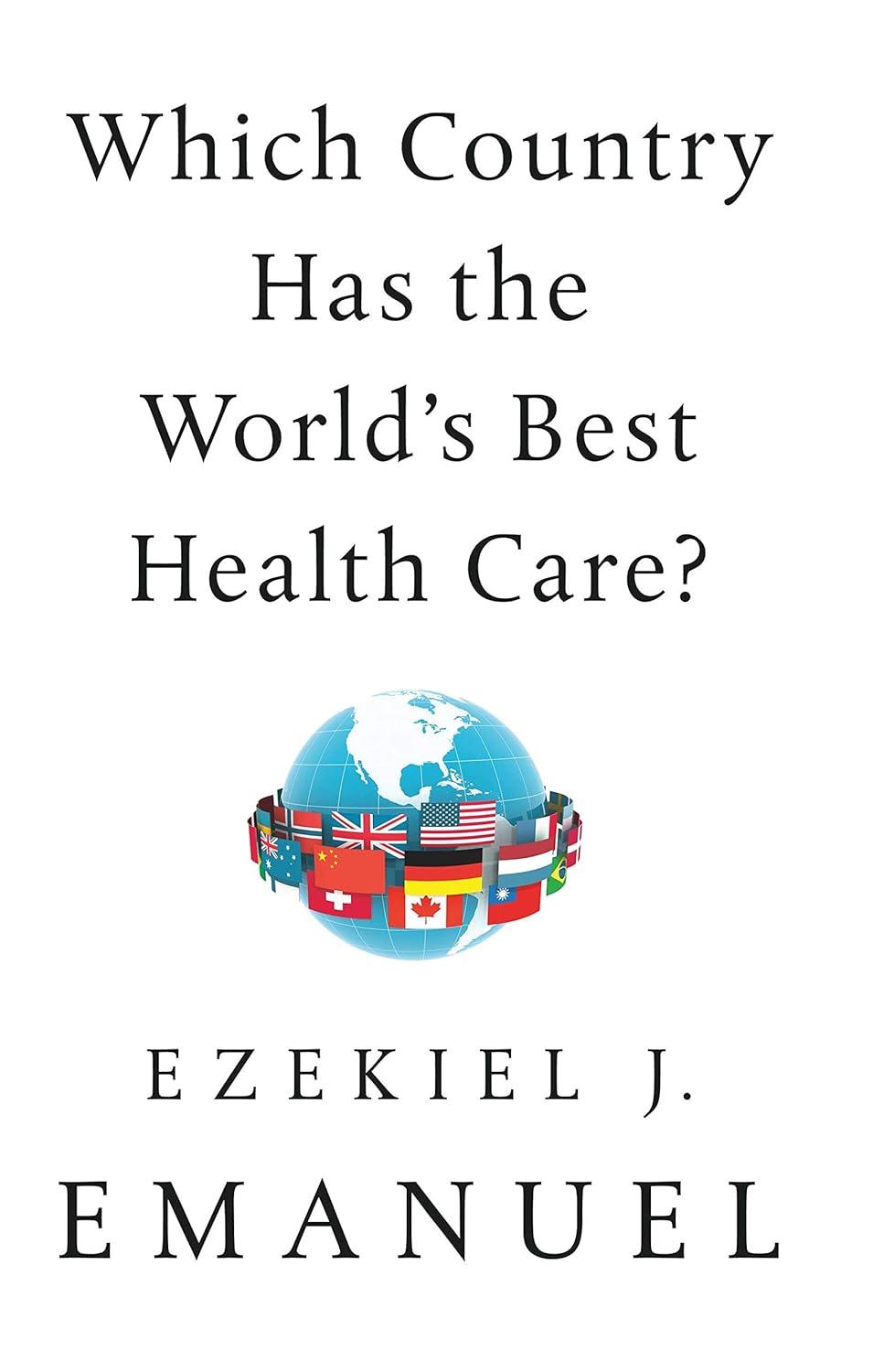
In our quest to understand the true landscape of global healthcare, we recently delved into the insightful and thought-provoking book, Which Country Has the World’s Best Health Care?, authored by the renowned doctor and health policy expert Ezekiel J. Emanuel. This complete exploration takes us on a compelling journey through eleven distinct health systems-from the familiar shores of the United states to the innovative models of Taiwan, the meticulous care systems of Germanyand beyond. As we navigated through these diverse approaches, we found ourselves questioning not only which country claims the top spot but also what lessons can be learned across borders. With its balanced analysis and evidence-based insights,this book offers a valuable viewpoint for anyone interested in the complexities of healthcare-whether policymakers,healthcare professionals,or curious individuals like us seeking to understand how different nations strive for better health outcomes. Join us as we review this engaging work, contribute our thoughtsand uncover the truths behind what makes a healthcare system truly the best.
Table of Contents
Understanding the Landscape of Global Healthcare Systems

Exploring the question, “Which country has the world’s best health care?” leads us down a fascinating path through various international systems. The product

One of the key takeaways from the book is that no health care system is without flaws. Some excel in providing universal access, while others reinforce cutting-edge medical innovations. For instance, the system in Switzerland is often praised for its high-quality care with efficient cost controls, whereas Canada’s universal health coverage is renowned for equity but faces challenges with wait times. The insights shared here help us see that each system reflects a country’s unique culture, economyand policy choices, making it a valuable resource for anyone wanting to grasp the big picture of global health care.
understanding these complexities gives us a better perspective on what truly makes a health care system successful. It’s not just about rankings but also about how accessible, equitable, and sustainable each system is in practice. Recognizing the shared problems, like rising costs and mental health issues, encourages us to think about how these issues are tackled differently worldwide. Ultimately, this exploration broadens our understanding of health systems and helps us appreciate the nuanced approaches that can lead to improved global health outcomes.
Discovering the Key Features That Define Excellence in Care
When exploring which country has the world’s best health care,it’s important to understand the core features that set these systems apart. The
One of the standout features examined in the book is access-how easily citizens can receive timely and appropriate care.countries like Switzerland and Norway excel here, ensuring citizens can get services without excessive waiting times or financial barriers. The system’s ability to promote preventive care and chronic disease management is equally vital, reducing long-term costs and improving quality of life.As an example, the detailed comparisons reveal how Israel’s health care model emphasizes universal coverage with innovative approaches, which can serve as lessons for others. These features contribute significantly to overall system performance, making them essential factors when evaluating global health care excellence.
Performance and adaptability also play a major role. The book emphasizes how countries regularly evaluate their health outcomes and adapt strategies accordingly. Some nations succeed through advanced health IT systems that streamline patient dataor through integrated care models that foster collaboration among providers. Real user feedback from the system encapsulates these strengths, showcasing how well the features translate into real-life benefits. Whether it’s Germany’s extensive hospital network or Taiwan’s emphasis on primary care, the capacity to evolve and prioritize patient-centered care defines true excellence.
Honest evaluation shows that no healthcare system is perfect, yet the most effective ones share common features: universal access, high-quality standards, proactive preventionand efficient resource management. The features discussed in this book illustrate what it takes to create a health system that truly serves its population. If you’re interested in understanding the key qualities that make some health care systems outstanding, this resource offers insightful comparisons and practical lessons.To see this comprehensive guide yourself, check out the detailed analysis and discussions-Discover the Key Features That Define Excellence in Care.
Delving into the Strengths and Challenges of Leading Countries
When it comes to the question, “Which country has the world’s best health care?”, it’s clear that the answer isn’t straightforward.The book highlights how different nations excel in various aspects of healthcare, revealing their unique strengths and ongoing challenges. For instance, countries like Switzerland and Norway are praised for their high-quality patient outcomes and efficient systems, but they also face issues like rising costs and long wait times. We see a pattern: even top-tier systems have their flaws, reminding us that no perfect model exists. This nuanced view helps us appreciate what makes a good healthcare system while being aware of areas needing advancement.
Analyzing these global systems shows us that successful health care isn’t just about spending more money. It’s about how effectively resources are managed, how accessible care is to everyoneand how well systems adapt to modern health challenges. Such as, Taiwan’s focus on universal coverage and innovative technology integration stands out, but they still wrestle with mental health service provision. Simultaneously occurring, the UK’s National Health Service offers universal care, yet funding pressures and staffing shortages challenge its sustainability. Comparing these strengths and challenges broadens our perspective and teaches us that adopting best practices from around the world may be key to improving our own health systems. Ultimately, understanding the global landscape provides us with valuable lessons to seek improvements rather than searching for a perfect system.
Our insights on What Truly Makes a Healthcare System Stand Out
When we explore the question, “Which country has the world’s best health care?”, it quickly becomes clear that no single system is perfect. instead, what makes certain healthcare systems shine are their ability to balance accessibility, qualityand sustainability. The
What realy makes a healthcare system stand out is its capacity to deliver consistent, equitable care. For example, countries like Norway and Taiwan excel at providing universal coverage while maintaining high standards. The book highlights how innovative policies-such as Norway’s emphasis on mental health and Taiwan’s efficient preventive care-can serve as models for improvement elsewhere. These insights remind us that a standout healthcare system isn’t just about having advanced technology or high spending; it’s about crafting policies that prioritize people, mental health, chronic illness management, and cost containment all at once. Achieving this balance makes a system truly exceptional and able to adapt to changing healthcare demands.
Guiding You to Make Informed Comparisons and Choices
When exploring the question, “Which country has the world’s best health care?” it’s crucial to have a clear, comprehensive resource that can help steer your decision-making process. The book offered here provides an in-depth look at eleven different health care systems across the globe, making it an excellent guide for anyone trying to compare countries effectively. Using detailed analyses, it highlights the strengths and weaknesses of each system, allowing us to understand what each country does well and where they fall short. Whether you’re a policy enthusiast, a healthcare professionalor simply curious about international health standards, this book serves as a trusted reference point. It simplifies complex information and presents it in an accessible, conversational style that helps us make sense of which health care models might work best for specific needs.
The main feature here is the ability to evaluate each system based on real data and expert insights. This isn’t just a superficial overview; it delves into critical issues like mental health care, cost containmentand treatments for chronic illnesses. These are essential factors when weighing health care options or considering reforms.the features outlined in the book, along with real-world examples from countries like Australia, France, Germany, and the UK, give us practical insights. For example, we learn about hospital bed management in Germany or chronic care strategies in France, which helps us understand the nuances behind each health care approach. This information empowers us to compare countries accurately and thoughtfully,ensuring that our choices are informed and tailored to our personal or professional interests.
By providing a balanced view of the flaws and triumphs in each system,the book makes it easier to identify what works and what doesn’t. When comparing health care quality internationally, it’s vital to have a reliable guide that can cut through the noise and highlight key differences. This resource achieves that by presenting clear, concise data that helps us see the broader picture. Whether you’re considering health care options for travel, immigrationor policy growth, this book offers critical guidance. It ultimately supports us in making smarter, more informed comparisons and helping us choose the right health care system-either for policy improvements or personal understanding. If you’re ready to explore the best health care systems worldwide, check the latest edition and start your informed journey today.
Check Latest PriceCustomer Reviews Analysis
Customer Reviews Analysis
As we delved into the vast array of opinions and experiences shared by healthcare consumers worldwide, a fascinating mosaic emerged. While many reviews highlight notable strengths of certain countries’ systems,others point out persistent challenges that give us a nuanced understanding of what makes a healthcare system truly exceptional.
Highlights from Customer Feedback
- Quality of Care: Many users praised countries like Switzerland and Japan for their high standards and innovative approaches to medicine.
- Accessibility and Coverage: A common theme was the importance of inclusive access, with countries like Canada and the UK receiving commendations for universal coverage, despite some criticism of wait times.
- Efficiency and wait Times: Several reviews expressed frustration with prolonged wait times in systems like the US and Australia, even as they appreciated technological advancements and patient satisfaction levels.
- Cost and Affordability: Cost was a critically important factor, with some users highlighting the trade-offs between expense and quality, especially in the US, where high costs coexist with top-tier care.
Customer Sentiment Summary
| Aspect | Positive Feedback | Criticisms |
|---|---|---|
| Quality | Top-notch standards,advanced technology | Inconsistencies in rural areas |
| Accessibility | Universal coverage in many countries | Long wait times in some systems |
| Cost | Value for money in some systems | High bills and out-of-pocket expenses in others |
| Efficiency | Streamlined services,innovations | Overburdened facilities,delays |
Our Takeaway
The diversity in customer experiences underlines that there’s no one-size-fits-all answer. The best healthcare system balances quality, accessibility, efficiencyand affordability-criteria that vary based on individual priorities. Listening to these reviews enriches our understanding as we evaluate which countries truly lead in delivering comprehensive healthcare.
Pros & Cons
Pros & Cons
Pros
- Comprehensive Analysis: Offers an in-depth, comparative look at healthcare systems across eleven countries, giving us valuable insights.
- Expert Perspective: Authored by Ezekiel J. emanuel,a renowned health policy expert,ensuring credibility and nuanced evaluations.
- balanced View: Recognizes both strengths and weaknesses of each system, helping us understand what works and what doesn’t.
- global Lessons: highlights actionable lessons that other countries, including the US, can learn from to improve their healthcare services.
- Focus on Equity: Addresses issues of accessibility and coverage, prompting us to think about health equity for all.
Cons
- Limited Scope: Focuses primarily on systemic comparisons, possibly overlooking individual patient experiences.
- Complex Data: Dense analysis may be challenging for readers seeking quick takeaways.
- Country Selection: Excludes some systems that might offer innovative approaches, such as those from developing nations.
- Subjective Aspects: Certain qualitative factors, like cultural attitudes towards health, are difficult to quantify and might influence conclusions.
- Static Snapshot: Based on data up to 2020, so some insights may need updating to reflect recent changes.
| Advantages | Limitations |
|---|---|
| Global insights | Density of analysis |
| Expert opinion | Limited scope |
| Focus on lessons learned | Potentially outdated data |
Q&A
Q&A Section:
Q1: Why did we decide to explore different countries’ healthcare systems?
A1: We believe understanding various healthcare models offers valuable insights into what works-and what doesn’t. Given the US’s struggles with access, affordabilityand disparities, examining successful systems elsewhere can help us learn lessons to improve our own. Ezekiel Emanuel’s thorough analysis across eleven nations provides a comprehensive perspective that benefits us all.
Q2: According to Emanuel’s review,which country stands out as having the best healthcare system?
A2: Emanuel’s analysis highlights that no single system is perfect,but some stand out for their strengths. Countries like Switzerland and Taiwan, as a notable example, excel in areas like cost containment and quality. The review emphasizes that each system has unique successes worth considering, rather than declaring a universal “winner.” We see value in their tailored approaches.
Q3: What are some common challenges found across these countries’ healthcare systems?
A3: Throughout Emanuel’s comparisons, shared issues like high costs of chronic illness management, mental health service gapsand resource allocation problems emerge. Even the most advanced systems struggle with balancing quality, accessibilityand affordability. Recognizing these common hurdles helps us understand that no system is immune to flaws.
Q4: How can the US learn from these international healthcare models?
A4: By examining successful strategies-such as universal coverage models in Canada and the UKor cost-effective innovations in Taiwan-we identify potential improvements. Emanuel suggests that adapting best practices thoughtfully to our context could help us make healthcare more equitable, efficientand sustainable.
Q5: Does the book discuss any specific reforms we should consider?
A5: While emanuel provides an analytical overview rather than prescribing specific policies, the review notes that certain features like streamlined administrative processes, value-based careand expanded preventive services are promising areas to explore. We believe continuous learning and adaptation are key to reform.
Q6: Is there a particular healthcare system we should aim for in the US?
A6: The review makes it clear there’s no one-size-fits-all model. Rather, Emanuel advocates for combining strengths from various systems-like ensuring universal access, controlling costsand focusing on patient-centered care. Our goal should be a hybrid approach tailored to our unique needs.
Q7: What’s our biggest takeaway from this comprehensive analysis?
A7: The main lesson is that healthcare systems are complex and multifaceted. Improvement requires humility, ongoing evaluationand a willingness to learn from different models. We see the importance of policy innovation, cross-national collaboration, and focusing on outcomes that matter most to patients.
Q8: Would we recommend this book to others interested in healthcare policy?
A8: Absolutely. Emanuel’s well-informed, balanced analysis offers valuable insights for policymakers, health professionals, and anyone interested in understanding how different countries approach health care. It encourages us to think critically about what reforms could benefit our system.
We hope this Q&A helps clarify the nuanced findings of Emanuel’s exploration into the world’s healthcare systems and inspires ongoing conversations about how we can improve health care in our own country.
Experience Innovation
As we conclude our exploration of the world’s healthcare systems, it’s clear that there’s no one-size-fits-all solution. Each country offers unique insights-both successes and shortcomings-that can inspire meaningful changes elsewhere. Our journey through these eleven nations reminds us of the complexity behind providing quality, equitable care and the importance of learning from diverse approaches.Ultimately, understanding the nuances helps us appreciate the challenges faced and the strides made across global health landscapes. We hope this review has expanded your perspective and deepened your curiosity about what shapes effective healthcare systems worldwide.
If you’re interested in diving deeper into these insights and discovering the detailed analysis by Ezekiel J. emanuel, we encourage you to explore the full book. It’s an invaluable resource for anyone passionate about health policy and systemic reform.