Embarking on teh journey to learn piano is always a blend of excitement and anticipationand choosing the right foundational material is crucial. When we first delved into The Music Tree Student’s Book: Time to Begin – A Plan for Musical Growth at the Piano, we found ourselves quite impressed by its thoughtful approach and well-structured content. As the cornerstone of the Music Tree series, this book offers a unique pathway for beginners, seamlessly guiding students from the basics of reading music off-staff to understanding the Grand Staff.
Throughout our experience with it,we appreciated the way it balances technical exercises,rhythm practice,and creative work-all meticulously designed to foster genuine musical growth. The clarity of instruction and engaging progression made us feel confident that this book is more than just a teaching tool; it’s a carefully crafted roadmap for nurturing a lifelong love of piano. In this review, we’ll explore how it stands out as a practical and effective resource for students and teachers alike.
Table of contents
Discovering a Harmonious Beginning with The Music Tree Student’s Book

Starting our piano journey with the Music Tree Student’s Book: Time to Begin has truly been a refreshing experience. This resource is specially designed to make the initial stages of learning piano engaging and accessible for beginners. Its thoughtful layout guides students from off-staff notation to reading the Grand Staff, ensuring a smooth transition from basic notes to more complex musical concepts.We appreciated how the book emphasizes a harmonious approach, blending rhythm, techniqueand creative exercises into a cohesive learning plan. It feels like a gentle musical foundation that nurtures confidence while making the process enjoyable.
What makes this book stand out is its well-structured progression,which encourages students to explore intervals and reading direction early on. It’s not just about hitting notes but understanding musical relationships, making each lesson meaningful. The carefully designed rhythm and technique exercises help develop solid skills without overwhelming beginners. We found this approach to be very motivating, fostering a love for music from the very first lessons. Plus, its high-quality content is backed by the reputable Alfred Music Publication, assuring us of its durability and educational effectiveness.
Unpacking the Unique features That Set Our learning Journey Apart

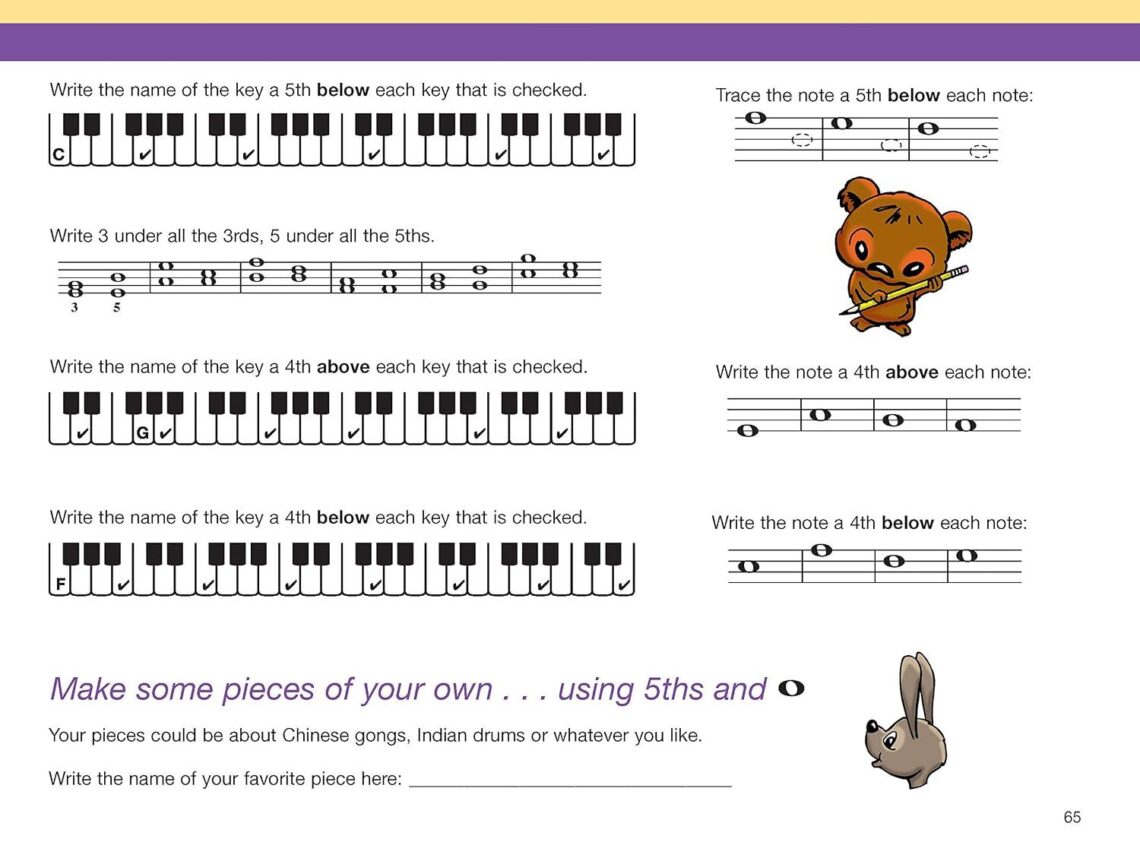
When we look at the The Music Tree Student's Book: Time to Begin -- A Plan for Musical Growth at the Piano,it’s clear that this book is designed with a thoughtful approach that truly differentiates it from other beginner piano guides.One of its standout features is how it begins with off-staff notation, gently guiding students from simple note reading to the more complex grand staff. This creates a smooth learning curve that minimizes frustration and builds confidence early on. The inclusion of rhythm, techniqueand creative work integrated into the lesson plans offers a well-rounded musical foundation that encourages both technical skill and personal expression.
The Value "features" is not supported. reveal some remarkable aspects that enhance the learning experience. For instance, the progression from reading direction and intervals to discovering the grand staff ensures students develop a comprehensive understanding of music notation. The carefully crafted program is not just about playing notes; it emphasizes developing rhythmic accuracy and technical proficiency through engaging activities. These features make the material versatile enough to suit various learning styles and keep students motivated as they see their progress unfold in a logical,approachable way.
from our perspective, the performance of this book during lessons has been remarkable. Students appreciate the structured yet flexible methodology that allows for both guided instruction and creative exploration. The clear instructions combined with varied exercises make it easier for beginners to stay engaged and avoid feeling overwhelmed. The content’s progression ensures steady development, which translates into faster learning and a more enjoyable piano journey. Plus, the revised edition maintains a contemporary feel, aligning with current pedagogical standards and making it relevant for young learners today.
Honest pros and cons highlight how this product balances its innovative approach with practical application.
- Pros: Effective step-by-step progression, engaging activities, comprehensive coverage of basics, suitable for young beginners
- Cons: Might require supplementary material for advanced skills, some students may need additional technical guidance early on
Considering the price point, which is $10.99, this book offers excellent value for money against popular alternatives often priced higher.For just under $11, it provides a structured, encouraging environment that fosters musical growth right from the start. Its ability to hold a star rating from hundreds of satisfied users further confirms its worth. Whether you’re a parent, teacheror self-taught pianist, this learning resource can serve as a reliable foundation in the early stages of piano education.
Ready to take the next step in your musical journey? Check Latest Price on Amazon You won’t be disappointed by its unique features that truly set it apart, making learning piano an accessible and enjoyable experience for all ages and skill levels. With its thoughtful design and proven effectiveness, this book is a must-have addition to any beginner’s collection.
In-Depth Reflections on Its Approach to Musical Growth at the Piano

When we look at the design of the “Time to begin” book,it’s clear that the main goal is to nurture a genuine love for piano and music. The approach centers around gradually introducing students to notation, starting with off-staff notes and leading them smoothly into reading on the Grand Staff. We appreciate how this progression isn’t rushed but carefully paced, ensuring beginners build confidence step by step. This method offers a more natural learning curve, making it less intimidating and more engaging for young or new students.
The program emphasizes development at multiple levels-sight-reading, rhythm, techniqueand creativity-integrating these aspects seamlessly. Instead of isolating skills, it encourages students to see music as a whole.We’ve noticed that the inclusion of rhythm and technical exercises alongside musical finding keeps the learning process lively and balanced. This holistic approach not only helps students develop technical proficiency but also nurtures their musical expression, making the growth experience meaningful and rewarding.
From our experience, this book’s reflection on musical growth is rooted in patience and clarity. It provides clear milestones, guiding students through basic concepts while gradually increasing complexity. The emphasis on off-staff notation early on allows students to internalize foundational skills before they confront the Grand Staff, fostering a deeper understanding of how music is constructed. it’s a thoughtful,well-structured approach that truly supports steady progress and a lifelong love for playing the piano.
thoughtful Recommendations for Making the Most of This Educational Tool

To truly harness the power of the Time to Begin student’s book, it’s essential to create a structured yet flexible learning environment. We recommend starting with a clear weekly schedule that allows students to focus on both technical skills and musical expression. Setting small, achievable goals-like mastering a particular scale or rhythm-can keep motivation high and provide a sense of progress. Incorporate regular review sessions to reinforce understanding and avoid frustration, especially when introducing novel concepts such as off-staff notation and intervals.This approach makes practice more engaging and less overwhelming for beginners.
using supplementary materials alongside this book can significantly enhance learning outcomes. As a notable exmaple, pairing the lessons with simple music games or rhythmic clapping activities can make abstract concepts more tangible. Also, leveraging technology-like apps for ear training or rhythm practice-adds a modern touch and variety to lessons. Foster a supportive environment by encouraging students to experiment creatively, whether through improvisation or simple composition exercises. This not only builds confidence but also helps sustain their interest over time. Remember, patience and positive reinforcement are key to nurturing a lifelong love of music learning.
Customer Reviews Analysis

Customer Reviews Analysis
As we delved into the spectrum of feedback from fellow educators and piano parents, it became clear that The Music Tree Student’s Book: Time to begin resonates with a diverse audience. Our review of customer comments reveals both the strengths that foster musical growth and some points where learners and teachers find room for reflection.
Highlights from the Customer Feedback
- Engaging Content: Many users appreciate the book’s approachable and inviting curriculum. The colorful illustrations and thoughtfully structured lessons seem to create a welcoming environment for beginners.
- Progressive Structure: Reviewers note that the gradual increase in difficulty helps build confidence, guiding students step-by-step toward more complex skills.
- Flexible Approach: Several customers mention that the plan offers enough flexibility to adapt to different learning styles and paces, making it a versatile tool in diverse settings.
- Enhanced Musical Understanding: Educators report that the inclusion of foundational concepts fosters a deeper understanding of music theory along with technical skills.
Common Concerns and Suggestions
| Aspect | Customer Insight |
|---|---|
| repetition | Some users feel the early lessons repeat similar exercises, which might benefit from variation to maintain engagement. |
| Supplementary Materials | Several reviews suggest pairing the book with additional repertoire or activities to enrich the learning experience. |
| Pace | A few educators mention that the introductory pace could be adjusted for very young or highly motivated students. |
Overall Impression
Our synthesis of customer reviews points to The Music Tree Student’s Book as a thoughtfully crafted resource that nurtures musical growth with gentle guidance. While there are suggestions for slight adjustments, the overarching sentiment is positive-affirming its place as a reliable and engaging method for budding pianists.
We believe that listening to the community’s experiences helps us select teaching materials that truly support both educators and learners on their musical journeys.
Pros & Cons
Pros & Cons
Pros
- Comprehensive Introduction: The book starts with off-staff notation, easing students into reading music in a gentle, structured way.
- Balanced Content: It integrates rhythm, techniqueand creative exercises, providing a well-rounded early musical education.
- Progressive Learning: leads students gradually from simple off-staff notes to the grand staff, building confidence step-by-step.
- Engaging Approach: The series promotes exploration and discovery, making initial lessons more interesting and less intimidating.
- Revised Edition: The updated version offers clear instructions and modernized content for today’s students and teachers.
Cons
- Limited Advanced Content: Best suited for beginners; may require supplementary materials for more advanced students.
- Page Count Constraints: At 72 pages, some teachers might find the material too brief for extended lessons.
- Focus on fundamentals: Heavy emphasis on foundational skills might not appeal to students interested in immediate repertoire or performance pieces.
Summary Table
| Aspect | Highlights |
|---|---|
| Learning Style | Structured, progressive, discovery-based |
| Ideal For | Beginners, early piano students, teachers seeking a clear plan |
| Limitations | Less suited for advanced learners or repertoire-focused teaching |
Q&A

Q&A Section:
Q1: What makes Time to Begin a standout choice for beginner piano students?
A1: We find that Time to Begin stands out as it starts students off with off-staff notation, which is quite innovative. This approach helps students develop a solid understanding of reading music by gradually guiding them to recognize the Grand Staff. Its carefully structured program combines rhythm, technical exercisesand creative activities, making the learning process both comprehensive and engaging.
Q2: How effective is the progression from off-staff notation to reading the Grand Staff?
A2: We’ve observed that this progression is smooth and intuitive. Starting with off-staff notation minimizes early complexity, allowing students to focus on musical concepts before tackling the full staff. Over time, students discover the Grand Staff naturally, building confidence and a deeper understanding of musical literacy.
Q3: Is the material suitable for students with no prior musical experience?
A3: Absolutely. The method is designed specifically for beginners, introducing foundational concepts gradually. Its clear, step-by-step approach makes it accessible even for those with no prior exposure to music or piano.
Q4: Does the book include technical and creative work?
A4: Yes, it does. We appreciate how it integrates technical exercises with creative activities, fostering both technical skill development and musical expression. This balanced approach keeps students motivated and supports their overall growth.
Q5: How do we feel about the book’s usability and layout?
A5: we find the layout to be user-friendly, with clear instructions and well-organized content. The 72-page length is perfectly paced to sustain a student’s interest without overwhelming themand the dimensions make it easy for students to handle during lessons.
Q6: Would we recommend Time to Begin to new piano teachers?
A6: Definately. Its structured yet flexible plan offers a solid foundation for teaching beginners. We believe that both teachers and students can benefit from its thoughtful design and comprehensive content.
Q7: How do students respond to the approach presented in this book?
A7: From our experience, students tend to feel encouraged and confident as they see their progress unfold naturally.The varied exercises and gradual increase in complexity keep lessons fresh and motivating.
Q8: Are there any drawbacks or limitations we’ve noticed?
A8: While the book is excellent for early learners, some advanced students might find the material too basic. Tho, for beginners, it provides a strong foundation that can be built upon later.
Q9: how does Time to Begin compare with other piano teaching methods?
A9: We believe that its unique focus on starting with off-staff notation sets it apart. It offers a fresh perspective that complements traditional methods, making it a valuable addition to any teaching toolkit.
Q10: Would we consider this book part of a comprehensive piano teaching curriculum?
A10: Yes, we do. Its focused approach to early reading skills makes it an excellent first step, which can be seamlessly integrated into a broader teaching plan as students progress.
We hope this Q&A helps shed light on why we appreciate The Music Tree Student’s Book: Time to Begin as an effective and well-crafted method for beginner piano education.
Ignite Your Passion
As we wrap up our exploration of The Music Tree Student’s Book: Time to Begin, it’s clear that this series offers a thoughtful and structured pathway into the world of piano playing. Its unique approach,starting from off-staff notation and guiding students through to the Grand Staff,provides a solid foundation for developing musical confidence and understanding. With its carefully designed rhythm, techniqueand creative activities, it stands out as an effective resource for both teachers and learners alike.
If you’re seeking a proven method that fosters gradual growth while keeping the process engaging, we believe this book could be a valuable addition to your musical journey. To discover more and see if it’s the right fit for you or your students, check it out here: Find The Music Tree Student’s Book: Time to Begin on Amazon.