In an era where the lines between information and entertainment are increasingly blurred, we find ourselves grappling with the question: how do we know what to trust when it comes to television news? today, we delve into the thought-provoking world of How to Watch TV News: Revised Edition, a pivotal read for anyone who has ever suspected that their nightly news might be more about ratings then reality. Originally penned by media theorist Neil Postman and seasoned journalist Steve Powers, this updated edition tackles the relentless evolution of media in the internet age, reminding us that the concerns thay raised fifteen years ago remain alarmingly relevant.
With the rise of 24-hour news cycles and the saturation of digital platforms, the stakes have never been higher. As we thumb through its 192 pages, we reflect on how television news has transformed into a landscape littered with celebrity gossip and sensationalism, frequently enough overshadowing the critical stories that truly matter. In this blog post, we will share our impressions and insights from this essential guide, exploring how it empowers us to navigate the complexities of modern journalism.Join us as we unpack the layers of this compelling narrative and consider what it means to be an informed viewer in a world where media has the power to shape our perceptions.
Table of Contents
Overview of Our Experience with How to Watch TV News Revised Edition
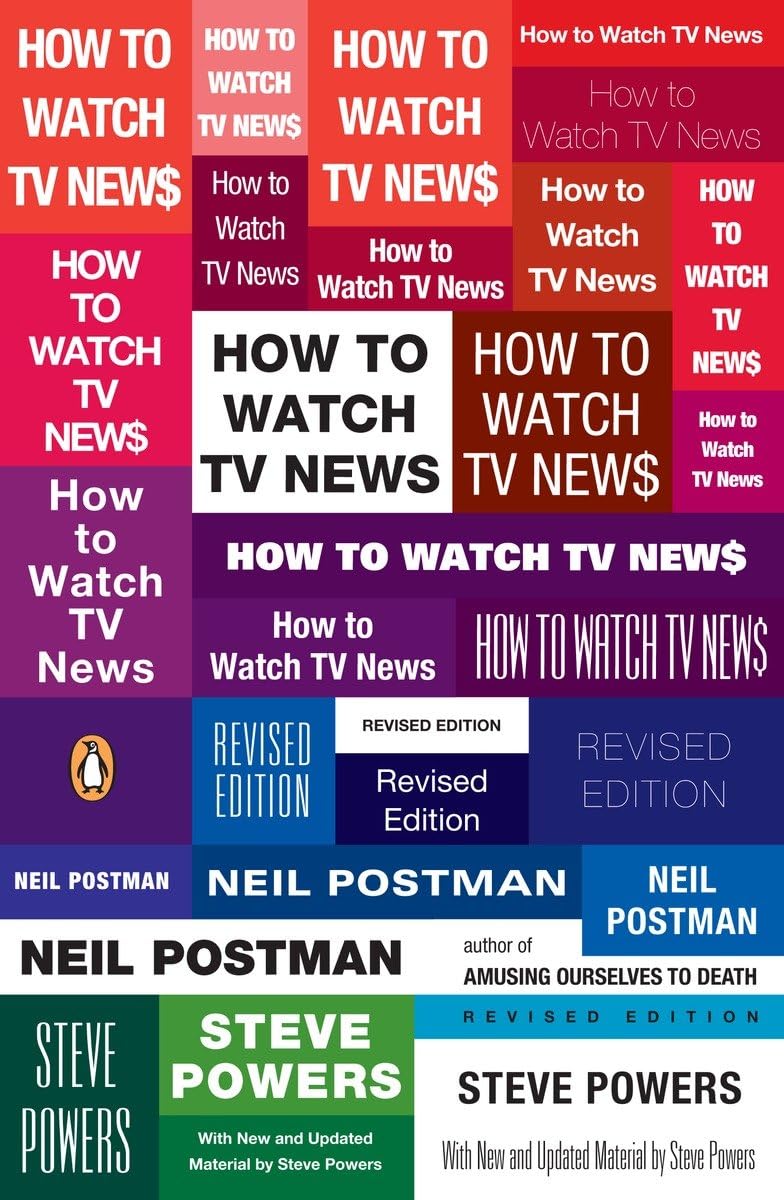
Our experience with the book “How to Watch TV News: Revised Edition” has been nothing short of enlightening.Right from the opening pages, we found ourselves immersed in an exploration of television news that goes beyond just superficial headlines.This book brilliantly dissects the mechanisms at play in the broadcast news industry. It reveals how the media shapes our understanding of the world around us-an essential read for anyone who watches TV news regularly.
The insights shared by Neil Postman and Steve Powers are eye-opening. They delve into the troubling reality that many people consume news without truly understanding its presentation and the motives behind it. News shows often prioritize entertainment and advertising revenue over delivering genuine information. We appreciated how the revised edition took a fresh look at contemporary issues,especially with the rise of the internet and the impact it has had on news dissemination. Reading this book made us reconsider our own news consumption habits.
We found the authors’ arguments compelling and relatable. The book isn’t just a critique; it also provides us tools to be more discerning viewers.The straightforward language made complex ideas accessible,and we liked how it emphasized the need to think critically about the news we consume. The chapters were packed with examples that vividly illustrated how different stories are prioritized or sidelined in our news cycles. This perspective is something we believe every news consumer needs to grasp, notably in today’s fast-changing media landscape.
our journey through this book has equipped us with a more informed viewpoint on media consumption. The discussions on bias, selective coverage, and the commercialization of news are especially relevant. We emerged from reading it with a greater awareness of how to navigate the news landscape responsibly.For anyone who’s looking to understand the inner workings of television news, this book is a must-read.
Key Features That Elevate Our News Viewing
In today’s world, where information is just a click away, knowing how to watch TV news effectively is crucial. The features that this revised edition offers play a notable role in shaping our understanding of the media landscape. One standout is how it breaks down the manipulation behind news broadcasting. We learn that news isn’t just about reporting facts; it’s about creating narratives that retain viewers attention. It encourages us to become scrutinizing consumers, assessing every headline critically rather than passively absorbing content. This powerful perspective is just one of the crucial insights we gain.
Furthermore, the way it addresses the changing dynamics brought by the digital age is refreshing. we see how internet access has raised the stakes; the competition for ratings has led to sensationalism over substance. With such insights, we not only grasp the history of media structures but also contextualize current events and trends. The revised edition emphasizes the importance of being proactive in our news consumption, urging us to seek diverse sources and validate what we see. This holistic approach elevates our viewing experience, making us informed participants rather than naive spectators.
Alongside these thought-provoking elements, the book merges theory with real-world applications, making it an engaging read for anyone interested in media. it pushes us to think about our own habits and the implications of our choices in news consumption. Statistics and case studies enrich our understanding, while the conversational tone invites us into the discussion. All of these key features not only elevate our viewing but also empower us to challenge the status quo of TV news.
Through vivid examples and detailed explanations, we navigate the complexities of television news. We appreciate how the book tackles the topic without oversimplifying, addressing our preconceived notions about journalism. Equipped with this knowledge, we’re better prepared to dissect the news that shapes our society. This revised edition is a toolkit for critical thinking, enticing us to take control of our information diet.
In-Depth Insights: How This edition Enhances Our Understanding
When we dive into the pages of this revised edition, we quickly realize how it significantly enhances our understanding of television news. For anyone who has ever turned on the TV in search of information, the insights within are both eye-opening and educational.In a world overloaded with content, the authors shed light on the underlying mechanics of news broadcasting and how it shapes our perceptions. By breaking down the business model behind TV news, we start to see it not just as a source of entertainment, but as a complex product designed to attract viewers and sell advertising space.
the authors, Neil Postman and Steve Powers, bring years of experience and expertise to the table. They reveal that much of what we see is filtered through a lens that prioritizes ratings over in-depth reporting. This edition addresses modern challenges posed by the rise of the internet and cable television. We find ourselves better equipped to navigate the media landscape, understanding that our seemingly mundane news consumption is intricately intertwined with the way stories are presented and the time allotted to them. The book encourages us to become more critical consumers, questioning not only what we’re shown but also how we perceive these narratives.
As we follow the narrative, we recognize the call for media literacy in a time when misinformation can spread like wildfire. The revised content emphasizes the necessity of discerning fact from entertainment, allowing us to engage thoughtfully with the information provided. This crucial understanding enhances our awareness of how media manipulates our worldview. In a way, it’s not just about how to watch TV news; it’s about empowering ourselves to think critically about the sources of our information.
The discussions throughout the book resonate with anyone who has felt frustrated by flashy headlines and sound bites. We appreciate how it raises awareness of the duty that comes with being an informed viewer. By demystifying the strategies behind news coverage, we can develop a more nuanced perspective on what we’re seeing. This revised edition is necesary for those of us looking to refine our understanding of media and make more informed choices about our news consumption.
With practical examples and a conversational tone, we finish this edition feeling enlightened and equipped to approach our daily news intake with a fresh perspective. As we cultivate a more critical mindset, this book becomes an essential companion for anyone trying to navigate the often murky waters of television news. Our viewing habits will definitely change after absorbing these insights, making us not just passive watchers but engaged and informed consumers of media.
Practical Recommendations for Maximizing Our Use
If we want to truly benefit from the insights in this book,we need to approach our viewing habits with a critical mindset. We should not just sit back and absorb whatever information comes our way. Instead, let’s think about what we watch and how we engage with it. One practical recommendation is to take notes while we watch the news. Jotting down key points can help us process the information and reflect on its credibility afterward. This active engagement not only makes the news more meaningful but also sharpens our critical thinking skills in the long run.
Another tip involves setting aside specific times each week to review not just the news but also the impact it has on our understanding of the world. We should consider diversifying our sources. Rather of relying on a single channel or network, let’s explore various media outlets with different perspectives. This juxtaposition can significantly enhance our comprehension of current events. It’s significant to verify facts from multiple sources before forming a new opinion. Ultimately, the goal is to build a well-rounded and informed perspective, rather than merely accepting what’s presented to us at face value.
Lastly, let’s share our thoughts with fellow viewers. Whether it’s in a casual conversation with friends or on social media platforms, discussing news items can deepen our understanding and open avenues for new ideas. Engaging with others also encourages us to question narratives and participate in constructive dialog. After all, the media landscape is constantly evolving, and staying informed is a collective effort. By applying these practices, we can maximize our use of this book and empower ourselves to become more discerning consumers of media.
Final Thoughts on Embracing Informed News Consumption
We all know that television news plays a huge part in shaping our understanding of the world around us.The insights we gain from watching news broadcasts can be profound, but sadly, there’s a lot we need to unpack. The revised edition of “How to Watch TV News” really drives home the point that being an informed consumer of news involves much more than just sitting back and absorbing the headlines. It’s about critically analyzing what we’re presented with and recognizing the underlying motives of the media. Whether we’re tuning in for critically important updates or just to catch up on the day’s events, this book encourages us to be mindful of the narratives being spun before our eyes.
Understanding the complexities of media, especially in today’s fast-paced digital landscape, is vital. The revelations in this book challenge us to consider how much of what we watch is packaged for entertainment rather than genuinely informative purposes.Knowing that news is often tailored to attract viewers and sell advertisements can make us feel like we’re being manipulated. this perspective shifts not only the way we consume news but also empowers us to demand more accountability from the sources we rely on. By embracing the lessons within, we position ourselves to engage with news in a more meaningful and discerning way.
Ultimately, the journey of informed news consumption is one we must embark on together. The process is ongoing, filled with questions, discussions, and a reevaluation of our media habits. By embracing the ideas presented in this revised edition, we can cultivate a more informed society. Just as it’s essential to trust but verify, we also need to watch and critically engage.This book doesn’t merely aim to inform us; it equips us with the tools we need to navigate the challenging landscape of media. The more we understand about how news is crafted and delivered, the better we can adapt our consumption methods to ensure they serve us rather than the other way around.
Customer Reviews Analysis
Customer reviews Analysis
As we dive into the customer feedback for “How to Watch TV News: Revised Edition,” we find a mix of glowing endorsements and critical perspectives that reveal the book’s impact on its readers. This section encapsulates our analysis of the reviews, highlighting key themes that emerge from the experiences shared by those who have explored its pages.
Overall Sentiment
The prevailing sentiment regarding the book indicates a strong gratitude for its insightful commentary on media literacy. Many readers express gratitude for the knowledge gained from this revised edition, with phrases like “eye-opening” and “captivating” frequently appearing in their reviews.
Key Themes
| Theme | Positive Reviews | Negative Reviews |
|---|---|---|
| Media Literacy | Valued as a resource that opens eyes to media manipulation. | A few believe it oversimplifies complex topics. |
| Relevance | Considered pertinent in today’s media landscape. | Suggestions to refer to alternative texts for depth. |
| Engagement | Readers found it engaging and easy to understand. | Some felt frustrated by the tone and perspective presented. |
Positive Feedback
many customers emphasize the book’s relevance and effectiveness in unraveling the complexities of TV news. One reader notes, “It’ll open your eyes to the world of media!” This sentiment resonates with several others who view the insights provided as essential in today’s media-driven society. The book is particularly praised for its engaging writing style, which makes the dense subject matter accessible and informative.
Critical Perspectives
Conversely, some customers express disappointment with the book’s approach. One review bluntly states, “A lot of holes throughout, and overly simplified.” This critique points to an expectation for a deeper exploration of the subjects discussed, suggesting that the book may not satisfy those with prior knowledge or higher academic interests in media studies. Others expressed frustration with the tone, indicating that it might provoke anger rather than enlightenment.
Conclusion
our analysis of the customer reviews for “How to Watch TV News: Revised Edition” presents a rich mosaic of opinions. While the book is celebrated as a crucial entry point into media literacy, it also faces scrutiny for its depth and broader implications. This dichotomy ultimately enriches the discussion surrounding media consumption and the responsibilities of viewers in an increasingly complex news surroundings. As we consider whether or not to add this resource to our personal libraries, it is indeed clear that “How to Watch TV News” is not just a book but an invitation to engage more critically with the media we consume.
Pros & Cons
Pros & Cons of “How to Watch TV News: Revised Edition”
When we consider picking up a book like “How to Watch TV News: Revised Edition,” it’s essential to weigh the pros and cons. This scathing exploration of television news is not only a reflection of media’s evolution over the years but also a guide for today’s tech-savvy audience. Here are our thoughts:
| Pros | Cons |
|---|---|
|
|
“How to Watch TV News: Revised Edition” is a thought-provoking read that promotes media literacy. However, it also has its drawbacks, particularly for those who may not fully grasp its critical perspective. In navigating through these pros and cons, we can determine if this book is the right fit for our reading experience.
Q&A
Q&A Section for “”
Q1: What is the main focus of “How to Watch TV News: Revised Edition”?
A1: The primary focus of this revised edition is to critically examine the state of television news and its impact on viewers’ understanding of the world.Authors Neil Postman and Steve Powers highlight the transition of news from being a source of genuine information to a commercially-driven entertainment spectacle.They challenge readers to question the reliability of TV news, especially in the age of the Internet and an overwhelming number of cable channels.
Q2: Who would benefit from reading this book?
A2: This book is an essential read for anyone interested in media literacy, journalism, or the influence of television on public perception.It serves as a wake-up call for viewers who rely solely on television for news, urging them to diversify their sources of information. Whether you’re a concerned citizen, a student of communication, or simply someone who watches the news regularly, this book offers valuable insights.
Q3: Has the content of the book changed with this revised edition?
A3: Yes, the revised edition incorporates new insights and addresses the advancements in technology since the original publication. It reflects on how the internet has reshaped the media landscape and the ongoing challenges in maintaining quality journalism amidst this shift. The authors revisit their critiques with a contemporary lens, ensuring that the message resonates with today’s tech-savvy and often overwhelmed news consumers.
Q4: what are some key takeaways from the book?
A4: Some key takeaways include the importance of critical thinking in media consumption, the need to recognize the motivations behind television news programming, and the detrimental effects of prioritizing entertainment over substantive reporting.The authors encourage us to seek out diverse, reliable sources of news and to be aware of how sensationalism can distort our understanding of global events.
Q5: How does this book compare to other media literacy resources?
A5: “How to Watch TV News: Revised edition” stands out due to its poignant critique of television news specifically, rooted in years of research and observation. While many media literacy resources provide general guidance on evaluating information, this book focuses on the nuances of television as a medium and its unique challenges. It provides a historical context and analysis that is frequently enough missing from other resources, making it a valuable addition to our media education toolkit.
Q6: What audience ratings does this book have?
A6: The book has received a solid average rating of 4.4 out of 5 stars based on 57 customer reviews. Readers appreciate the authors’ critical approach and the relevancy of the topics discussed, indicating that it resonates well with an audience concerned about media integrity.
Q7: Is there a particular section of the book you found enlightening?
A7: Many readers, including ourselves, find the sections discussing the evolution of news coverage in the digital age particularly enlightening. The discussion about how the rise of social media and 24-hour news cycles has further complex the landscape of news consumption is eye-opening. It serves as an important reminder of the need to be discerning and proactive in our news gathering.
Q8: Would you recommend this book, and to whom?
A8: Absolutely, we would recommend this book to anyone who consumes television news, particularly students, educators, and journalists.It is an eye-opening read that challenges us to think critically about the information presented to us and to take charge of our news consumption habits. Ultimately, it empowers us to become informed citizens in a complex media landscape.
Ignite your Passion
As we wrap up our exploration of “How to Watch TV News: Revised Edition,” it’s clear that this thought-provoking book remains as relevant today as it was at its inception.Neil Postman and Steve Powers challenge us to critically examine the media landscape we navigate daily-a landscape that is increasingly complex with the rise of digital platforms and cable channels. Their insights serve as a crucial reminder that understanding television news requires vigilance and discernment, especially in an era where information masquerades as entertainment.
Whether you’re a seasoned media consumer or someone looking to gain a deeper understanding of how news affects our worldview, this revised edition is a must-read. With its keen observations and thought-provoking arguments, it equips us to navigate the turbulent waters of television news with a critical eye.
So,if you’re ready to take control of your news consumption and begin questioning what we see on our screens,we encourage you to dive into this essential resource. Don’t miss out on this opportunity to enrich your understanding of the media and empower your ability to seek out genuine information.
To grab your copy of “How to Watch TV News: Revised Edition,” click here: get your copy now!