Running should be a pursuit of freedom,a chance to connect with the rhythm of your body and the world around you. But for those battling plantar fasciitis, every step can feel like a challenge-an ache that shadows the joy of motion. finding the right pair of running shoes becomes more than just a matter of style; it’s a vital bridge back to pain-free miles, offering the comfort and support needed to navigate your runs with confidence. In this exploration, we’ll uncover the top options crafted to ease plantar fascia pain, helping athletes and casual runners alike reclaim their stride and rediscover the thrill of the run.
Table of Contents
- Choosing the Right Fit for Optimal Foot Alignment and Support
- Key Features to Look for in Running Shoes for Plantar fasciitis
- Top Recommended Running Shoes That Combine Comfort and Stability
- Expert Tips for Preventing Plantar fasciitis During Your Runs
- Q&A
- In Retrospect
Choosing the Right Fit for Optimal Foot Alignment and Support
No products found.
finding the right shoes is crucial for plantar fasciitis because proper fit can prevent pain and promote healing. When choosing shoes, focus on those that provide good arch support and cushioning right where your foot needs it most. A shoe that fits well helps maintain proper foot alignment, which reduces strain on the plantar fascia. Measure your foot size regularly, as feet can change over time, especially if you experience swelling or discomfort.
Look for shoes that fit snugly but not too tight, with ample room in the toe box to avoid cramping. Features like a firm heel counter and flexible yet supportive midsoles are ideal for supporting the arch and absorbing shock. When shopping on Amazon, read customer reviews for insights into real-world comfort and supportand consider trying shoes with removable insoles to customize your arch support for best results in managing plantar fasciitis.

Key features to Look for in Running Shoes for Plantar Fasciitis
No products found.
When searching for the best running shoes for plantar fasciitis, focus on support and cushioning. A shoe with good arch support helps reduce strain on your heel and prevents pain. Look for models that offer firm heel cups and extra padding in the arch area to stabilize your foot during runs. Comfort is key, so try to choose shoes that fit well right out of the box, ensuring there’s enough space in the toe box and a snug fit around the heel.
another important aspect is shock absorption. Proper cushioning absorbs the impact from each step, easing pressure on the plantar fascia. Many shoes designed for plantar fasciitis incorporate specialized midsoles or gel inserts to assist with this. Additionally, versatility and heel height can make a difference; shoes that are too stiff or have high heels can aggravate heel pain, so opt for styles that offer natural movement and a low to moderate heel height. Prioritizing these features can led to a more cozy,pain-free running experience.

Top Recommended Running Shoes That Combine Comfort and Stability
No products found.
If you’re dealing with plantar fasciitis, finding the right running shoe is key to reducing pain and staying active. many shoes designed for comfort provide excellent arch support and cushioning to relieve pressure on your heel. Look for models with a stiff heel counter and ample midsole support, which help stabilize your foot during runs or walks. Brands offering such shoes often include features like Gel or Air units, shock absorptionand flexible outsoles to make every step more comfortable.For U.S. shoppers, it’s helpful to focus on shoes that are lightweight yet supportive.They should adapt well to your foot shape, especially if you need extra arch support.Consider models with removable insoles so you can add custom orthotics if necessary. balancing cushioning with stability ensures your feet stay protected and pain-free as you enjoy your runs or daily activities.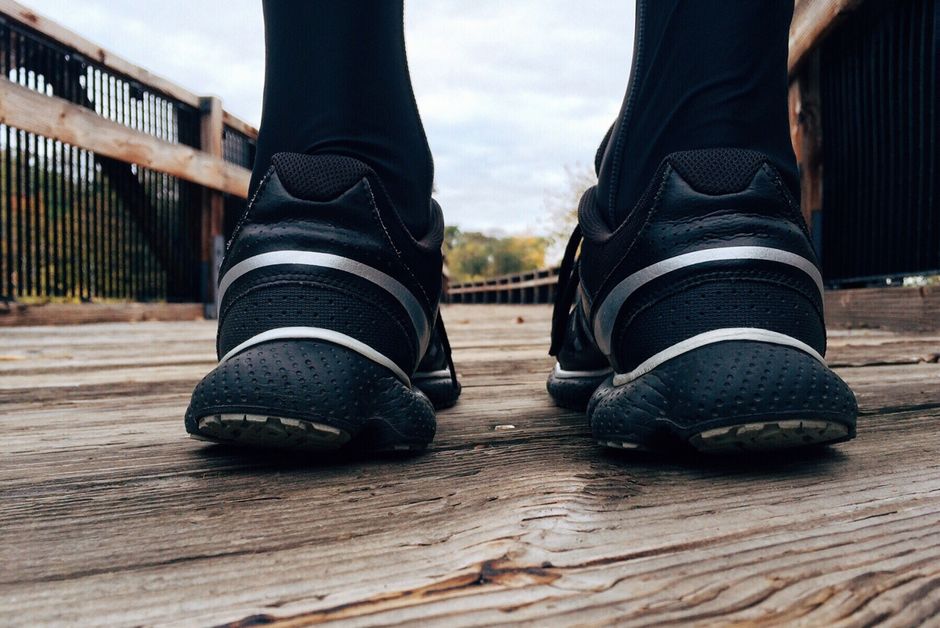
Expert Tips for Preventing Plantar fasciitis During Your Runs
No products found.
If you’re worried about plantar fasciitis flare-ups while running, the first step is paying attention to your footwear. Wearing the right shoes can make a huge difference. Look for models that offer excellent arch support and cushioning to help reduce stress on your plantar fascia. Remember, shoes that are too worn out or too flat may increase your risk, so replace them regularly. also, consider shoes with a firm heel counter and flexible soles-these features help stabilize your foot and absorb impact, preventing pain and injury.
In addition to your shoes, proper running habits can keep plantar fasciitis at bay. Start with gentle warm-ups and stretching exercises for your calves and Achilles tendons, as tightness there can contribute to heel pain. incorporate strengthening exercises such as toe curls and arch lifts into your routine, which boost foot muscles and improve overall support.listen to your body-rest when needed and avoid overtraining, especially if you notice any heel discomfort. These proactive steps,combined with suitable shoes,are key to pain-free miles.

Q&A
Q&A: What Are the Best Running Shoes for Plantar Fasciitis? Comfort and Support for Pain-Free Miles
Q1: What is plantar fasciitisand how does it affect runners?
A: Plantar fasciitis is an inflammation of the plantar fascia-a thick band of tissue running along the bottom of the foot that supports the arch. For runners,this condition frequently enough causes sharp heel pain,especially with the first steps in the morning or after periods of rest,which can hinder performance and enjoyment of running.
Q2: Why is the right shoe important for managing plantar fasciitis while running?
A: The proper running shoe provides essential arch support, cushioningand stability-key elements that alleviate strain on the plantar fascia. The right shoe can reduce pain, prevent worsening symptomsand promote a comfortable, pain-free running experience.
Q3: What features should I look for in running shoes if I have plantar fasciitis?
A: Prioritize shoes with:
- Firm arch support: Stabilizes the foot and reduces stretch under the arch.
- Adequate cushioning: Absorbs impact and reduces heel pressure.
- Heel support: A supportive heel counter to limit excessive motion.
- Flexibility in the forefoot: To allow natural stride movement without strain.
- Proper fit: Ensures no pinching or excessive movement inside the shoe.
Q4: Are there specific brands or models recommended for runners with plantar fasciitis?
A: many brands offer shoes tailored for foot conditions like plantar fasciitis. Commonly recommended options include:
- Brooks Addiction Walker and Glycerin Line
- Asics Gel-Nimbus and GT-2000
- New Balance 990 and 1540
- Hoka One One Bondi and Arahi
- ASICS Kayano Series
Each offers diffrent features; it’s best to try a few and see which fits your foot best.
Q5: Can orthotics be used alongside running shoes for extra support?
A: Absolutely. Custom or over-the-counter orthotics can provide additional arch support and cushioning, complementing your running shoes to better manage plantar fasciitis symptoms.
Q6: What precautions should I take when choosing running shoes if I have plantar fasciitis?
A: Get professionally fitted at a specialty store, ensure the shoes fit well and support your foot’s unique shapeand avoid overly flexible or minimal shoes that lack adequate support. Replace shoes regularly,as worn-out shoes won’t provide proper support.
Q7: Are there lifestyle or stretching tips that can definitely help along with wearing the right shoes?
A: Yes.Incorporate gentle stretching of the Achilles tendon and plantar fascia, avoid running on hard surfacesand consider cross-training activities less impact-intensive. Rest and ice after running can also alleviate inflammation.
Q8: When should I see a healthcare professional about my plantar fasciitis?
A: If pain persists despite using supportive footwearor if it worsens, consult a podiatrist or sports medicine specialist. They can assess for underlying issues and recommend additional treatments like physical therapy or custom orthotics.
Q9: Can proper footwear prevent plantar fasciitis from developing in the first place?
A: Yes. Wearing supportive, well-fitting shoes that manage shock and provide good arch support can reduce the risk of developing plantar fasciitis, especially for runners with predisposing factors like high arches or tight calves.
Q10: What’s the takeaway for runners seeking pain-free miles with plantar fasciitis?
A: Prioritizing footwear that offers ample arch support, cushioningand proper fit is crucial. Coupled with appropriate training and self-care, the right running shoes can help you maintain your stride and enjoy your runs without pain.
In Retrospect
As you lace up and step into your next run, remember that the right footwear can make all the difference in keeping plantar fasciitis at bay. Choosing running shoes that prioritize both comfort and support isn’t just about easing pain-it’s about reclaiming the joy of every mile. So, whether you’re chasing distant horizons or simply enjoying a morning jog, let your shoes be your trusted companion on the journey to healthier, happier feet. Here’s to relentless strides and pain-free miles ahead.