
Embarking on the journey of fasting can feel like stepping into uncharted territory-filled with curiosity,questions,and the promise of newfound vitality.For beginners eager to boost their energy levels and improve overall well-being, choosing the right fasting schedule is a crucial frist step. With a myriad of methods available, it’s essential to find a rhythm that aligns with your lifestyle, supports your body’s natural rhythms, and sets the stage for lasting health benefits. In this article, we’ll explore different fasting routines tailored for beginners, helping you navigate the path toward feeling better and energized, one mindful step at a time.
Table of Contents
- Understanding the Fundamentals of Fasting and Its Benefits for Newcomers
- Choosing the Right Fasting Window to Suit Your Lifestyle and Goals
- Practical Tips for Easing into your Fasting Routine Safely and Effectively
- Monitoring Your Progress and Adjusting your Fasting Schedule for Optimal Results
- Q&A
- Final Thoughts

Understanding the Fundamentals of Fasting and Its Benefits for Newcomers


- What to Eat When: A Strategic Plan to Improve Your Health and Life Through Food Hardcover – December 31, 2018 by Michael Roizen (Author), Michael Crupain (Author), Ted Spiker (Author)
- Hardcover Book
Fasting has become popular because many find it helps boost energy and improve overall well-being. For beginners,understanding the basics can make a big difference. Fasting simply means not eating for a set period, allowing your body to rest and reset. When done properly, it may help increase mental clarity, reduce hunger pangs, and support better digestion. It’s crucial to start slow and listen to your body, especially if you’re new to this practise. Many people notice they feel more alert and less sluggish once they get used to a regular fasting pattern.
The benefits of fasting go beyond just feeling better. It can help stabilize blood sugar levels and support weight management. As you explore different fasting schedules,look for methods that fit your lifestyle and daily routine. Products like easy-to-manage timers or apps can definitely help you stay consistent and motivated. Remember, the goal is to find a balance that energizes you without feeling restrictive. With patience and the right approach, fasting can become a natural part of your health journey.

Choosing the Right Fasting Window to Suit your Lifestyle and Goals
- What to Eat When: A Strategic Plan to Improve Your Health and Life Through Food Hardcover – December 31, 2018 by Michael Roizen (Author), Michael Crupain (Author), Ted Spiker (Author)
- Hardcover Book
Choosing the right fasting window that fits your lifestyle and goals is key to success. For beginners, aligning your fasting schedule with daily routines makes it easier to stay consistent. If mornings are busy, a 12-hour fast, like from dinner to breakfast, can be simple and sustainable. When your days are flexible, longer fasts-say, 16 hours-can boost energy without feeling restrictive.
It’s also important to consider your personal goals, such as improving energy levels or feeling better overall. Some people find that an intermittent fasting plan, like the 16/8 method, works well with their schedules, while others prefer a more relaxed approach. Experimenting with different fasting windows helps you find what feels best, ensuring you stick with it long-term for better health and energy.

Practical tips for Easing into Your Fasting Routine Safely and Effectively
- What to Eat When: A Strategic Plan to Improve Your Health and Life Through Food Hardcover – December 31, 2018 by Michael Roizen (Author), Michael Crupain (Author), Ted Spiker (Author)
- Hardcover Book
Starting a new fasting schedule can feel overwhelming, but taking small, manageable steps makes it easier. Begin by gradually lengthening your fasting window rather than jumping into a longer fast right away. For example, if you’re trying a 16-hour fast, start with 12 hours and add an hour or two each week. This helps your body adjust without causing discomfort or hunger spikes. Listening to your body’s signals is key. If you feel dizzy or overly hungry, ease back and try again later. Staying hydrated and including nutrient-rich foods during your eating periods also supports your energy and well-being.
Another useful tip is to plan your meals carefully. Focus on balanced,satisfying foods like lean proteins,healthy fats,and fiber-rich vegetables. These help you feel full longer and stabilize blood sugar levels, reducing hunger during fasting hours.Incorporating simple routines, like drinking herbal tea or water with lemon, can further curb appetite and keep you agreeable. Remember, patience is essential-fasting is a gradual process, and your body needs time to adapt safely. By smoothing this transition, you’ll maximize the benefits of your fasting schedule while feeling energized and healthier.
Monitoring your Progress and Adjusting your fasting Schedule for Optimal Results
- What to Eat When: A Strategic Plan to Improve Your Health and Life Through Food Hardcover – December 31, 2018 by Michael Roizen (Author), Michael Crupain (Author), Ted Spiker (Author)
- Hardcover Book
|
Keeping track of how your body responds to your fasting schedule is key to getting the best results. Pay attention to your energy levels, hunger cues, and mood throughout the day. If you notice persistent fatigue, irritability, or difficulty concentrating, it might be time to adjust your eating window or calorie intake. Using a journal or a simple app can help you log these changes, making it easier to identify patterns and judge what works best for you. Remember, everyone’s body reacts differently, so personalization is crucial. as you monitor your progress, don’t hesitate to make small tweaks. Such as, if fasting feels too intense, consider shortening your fasting periods gradually. On the other hand, if you’re thriving, you might extend your fasting window or try different approaches like alternate-day fasting. Consistency is essential,but flexibility ensures you stay motivated and safe. By regularly evaluating how your body responds, you set yourself up for long-term success and a healthier, more energized life, especially when finding the best fasting schedule for beginners to boost energy. Q&AQ&A: Unlocking the Best Fasting Schedule for Beginners to Boost Energy and Feel Better Q1: What is intermittent fasting, and how can it benefit beginners? Q2: Which fasting schedule is recommended for someone just starting out? Q3: How does timing affect energy levels during a fast? Q4: Are there specific foods I should focus on during the eating window? Q5: What are common challenges beginners face with fasting, and how can they be overcome? Q6: Can fasting improve mental clarity and mood? Q7: How do I know if fasting is right for me? Q8: How long should a beginner stick to a fasting schedule before reassessing? Q9: What are some tips to help maintain consistency with fasting? Q10: Is there a “perfect” fasting schedule, or does it vary per individual? Final ThoughtsAs you embark on your fasting journey, remember that each path is uniquely yours to explore. The key lies in listening to your body, staying patient, and adapting your schedule to what feels right. With consistency and mindful choices, you can discover a rhythm that boosts your energy and enhances your well-being. here’s to finding the fasting schedule that empowers you to feel better every day-one mindful step at a time. 

Related Posts
Best Travel App – How to Book the Best Flights with Google (Google Apps for Everyone: A Beginner’s Guide) Review
Best 3D Modeling Guide – Blender for Beginners Part 1: Workflow with Blender 4.5 LTS Review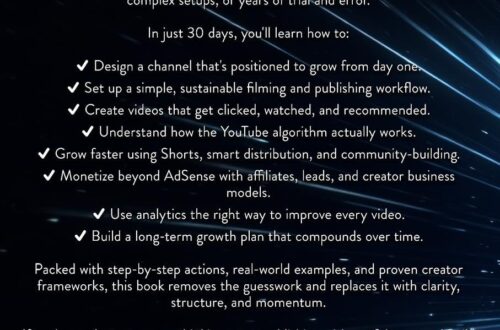
Best YouTube Growth Strategy – YouTube Success in 30 Days – A Beginner’s Step-by-Step Blueprint to Build an Audience, Create Viral Content, and Make Money Online |