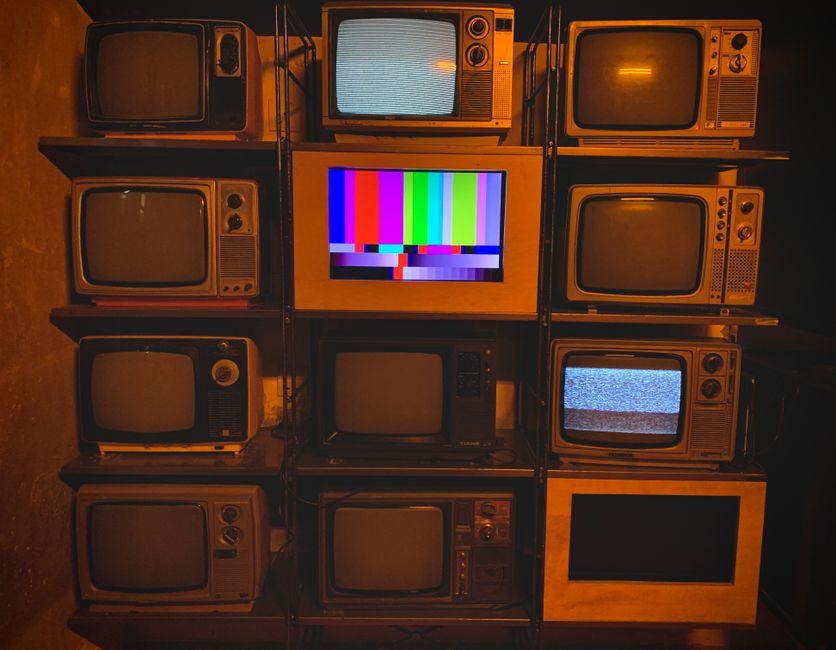
In the quest for the perfect home cinema experience, no detail is too small-yet one setting often remains overlooked: gamma. Think of it as the master knob that fine-tunes how your TV translates the world’s vivid hues and subtle shades onto the screen. Adjusting your gamma setting can dramatically enhance picture quality,revealing more detail in shadows and highlights,and creating the ideal balance between brightness and contrast. But with numerous options and technical jargon flying around, knowing the best gamma setting for your TV can seem overwhelming. Fear not-this guide will navigate the essentials, helping you easily improve your display’s picture quality and brightness to enjoy cinematic visuals that truly come alive.
Table of Contents
- Understanding Gamma and Its Impact on TV Picture Quality
- Finding the Optimal Gamma Setting for Different Viewing Environments
- Step-by-Step Guide to Adjusting Your TV’s Gamma for Vivid, Balanced Images
- Expert Tips for Maintaining Brightness and Detail Through Proper Gamma Calibration
- Q&A
- The Conclusion

Understanding Gamma and Its Impact on TV Picture Quality
No products found.
Gamma refers to how a TV displays brightness levels, affecting how dark or light images appear. When you adjust the gamma setting, you influence the midtones and shadows, making scenes look more natural or vibrant. finding the right gamma for your TV can make your picture clearer, with better contrast and detail, especially in darker scenes.
Moast TVs come with default gamma settings, but customizing it can enhance your viewing experience. A well-chosen gamma setting improves color accuracy and depth, making movies and shows look more lifelike.Learning what gamma setting works best for your surroundings and content can help you enjoy sharper visuals and richer tones every time you watch.

Finding the optimal Gamma Setting for Different Viewing Environments
No products found.
Finding the optimal gamma setting for different viewing environments can make a big difference in your TV experience. Bright rooms may require different gamma adjustments compared to darker spaces to ensure images aren’t washed out or too dim. Adjusting gamma helps balance highlights, shadowsand overall picture clarity, making your viewing more natural and pleasing. Typically, TVs allow you to fine-tune gamma settingsand experimenting with these options can definitely help you discover what looks best in your specific environment.
For viewers in well-lit rooms,a slightly higher gamma setting can improve contrast and prevent washout. Conversely, darker rooms benefit from lower gamma adjustments, which enhance shadow detail without making images appear flat.If your TV has preset modes, try switching between them to see how gamma impacts picture quality. Getting the right gamma setting is all about matching your space’s lighting and your personal preference, so don’t hesitate to test different levels until you find the perfect balance for your viewing comfort and clarity.

Step-by-Step Guide to adjusting Your TV’s Gamma for Vivid, balanced Images
No products found.
When you want your TV to look its best, adjusting the gamma setting is a smart move. The gamma controls how bright or dark your picture appears, directly influencing overall clarity and color richness. To get the right gamma, start by finding your TV’s picture menu and locate the gamma option. Many TVs offer preset modes like “Standard,” “Vivid,” or “Cinema,” but custom adjustments often yield better results. set the gamma to a value around 2.2, which is standard for most viewing conditionsand then fine-tune based on your environment and personal preferences.
For a more personalized touch, try watching scenes with lots of contrast, like sunsets or night scenesand adjust the gamma until details are clear in shadows and highlights. If your picture seems washed out or overly dark, tweak the gamma slightly up or down. Customers often choose settings that enhance brightness without losing detail. remember, ideal gamma varies depending on your specific TV model and lighting environment, so don’t be afraid to experiment until images look vivid and natural. Properly calibrated gamma brings a brighter, more balanced picture every time.
Expert Tips for Maintaining Brightness and Detail Through Proper gamma Calibration
No products found.
Achieving the right gamma setting is key to keeping your TV’s brightness and picture details sharp. When your gamma is calibrated well, dark areas stay deep without losing detailand bright scenes don’t look washed out.To keep your picture looking natural,start by adjusting gamma to a middle setting,then fine-tune based on your room’s lighting and personal preference.Remember,small adjustments can make a big difference.Regularly checking your display’s brightness levels ensures you enjoy clear, vibrant images every time you watch.
To maintain optimal brightness and detail over time, it’s helpful to use calibration tools or test patterns available on many streaming services. These tools give you rapid visual cues to tweak your gamma until the picture feels right. Always avoid excessive brightness, which can wash out detailsor too dark settings that hide shadow details. Proper calibration also involves checking contrast,black levels,and color accuracy to keep your TV picture sharp,bright,and balanced for everyday viewing.
Q&A
Q: What is the gamma setting on a TVand why is it significant?
A: The gamma setting on a TV controls the luminance or brightness levels across the image, affecting how dark or bright details appear. Proper gamma ensures accurate image reproduction, balancing shadows and highlights for a natural and immersive viewing experience.
Q: How does changing the gamma setting impact picture quality?
A: Adjusting the gamma modifies the overall brightness and contrast. A lower gamma (around 1.8-2.2) tends to make images appear brighter and more detailed in shadows, while a higher gamma (above 2.4) can deepen shadows and add contrast but may also result in loss of detail in dark areas.
Q: What is considered the best gamma setting for general TV viewing?
A: For most viewing environments, a gamma setting around 2.2 to 2.4 is recommended. This range provides a good balance, producing natural brightness levels and preserving details in both dark and bright scenes.
Q: How do I determine the right gamma setting for my TV?
A: The best approach is to use calibration tools or test patterns designed for gamma adjustment.Measure your picture quality, paying attention to shadow detail and highlightsand tweak the setting until the image feels natural, realisticand free of overly dark or washed-out areas.
Q: Can the optimal gamma setting vary depending on the content or environment?
A: Yes. In darker rooms,a slightly higher gamma can improve contrast,while in brighter rooms,a lower gamma may enhance visibility. Additionally, different content types-such as movies, sportsor gaming-may benefit from slight adjustments to optimize picture quality.
Q: Are there any recommended tools or methods to help me find the best gamma setting?
A: Absolutely. Using professional calibration discs, software toolsor built-in test patterns can guide you through adjusting gamma accurately. Many modern TVs also offer calibration presets; experimenting with those can serve as a good starting point.
Q: Is adjusting the gamma setting something I should do frequently?
A: Not necessarily. Once you find a gamma setting that suits your viewing environment and preferences, it’s best to keep it stable. However,if you change lighting conditions or switch to a different content type,a slight adjustment can improve your viewing experience.
Q: How does ambient lighting influence the optimal gamma setting?
A: Bright rooms can make images appear washed out, so adjusting gamma downwards can counteract this by boosting shadow details. Conversely, in dimly lit rooms, a higher gamma can help preserve contrast without washing out darker areas.
Q: Can improper gamma settings damage my TV or degrade picture quality?
A: Adjusting gamma within recommended ranges won’t harm your TV. However, setting it extremely high or low may result in unnatural images, suppressing details or causing visual fatigue. Proper calibration enhances viewing enjoyment without adverse effects.
Q: Ultimately, how can I ensure I have the perfect gamma setting for my TV?
A: Take the time to calibrate using test patterns or calibration tools, consider your viewing environmentand experiment within standard ranges (around 2.2 to 2.4). Trust your eyes to determine what looks best-aim for an image that feels natural, detailedand comfortable to watch.
The Conclusion
In the quest for the perfect viewing experience,adjusting your TV’s gamma setting is a simple yet powerful step toward optimal picture quality. By finding the right balance, you can enjoy richer colors, deeper blacksand improved brightness that bring your favorite content to life. Remember, the best gamma setting isn’t a one-size-fits-all-it’s about tailoring your display to your environment and preferences.So, don’t hesitate to experiment and fine-tune your picture for the clearest, most vibrant viewing adventures. After all,the ultimate goal is to make every scene feel just right-your personal window to entertainment.

