
In the ever-evolving landscape of health and safety, finding effective ways to minimize direct hand contact has become more than just a preventive measure-it’s a vital step toward safeguarding ourselves and others. As we navigate environments bustling with shared surfaces and fleeting interactions, the quest for the best strategies to reduce bare hand contact gains clarity and importance. This exploration delves into innovative solutions and time-tested practices, unveiling how thoughtful approaches to hand hygiene can transform routine habits into powerful shields against germs, all while maintaining ease and efficiency.
Table of Contents
- Innovative Touchless Solutions to Minimize Direct Hand Contact
- Smart Hand Hygiene Practices for Enhanced safety and Convenience
- Effective Use of Disinfectants and Sanitizers to Reduce Transmission Risks
- Implementing Proper Techniques and Equipment to Promote Safer Hand Practices
- Q&A
- Concluding Remarks
Innovative Touchless Solutions to Minimize Direct Hand Contact
No products found.
Using touchless technology is the most effective way to reduce bare hand contact. Devices like motion-activated soap dispensers and automatic hand dryers allow users to wash and dry hands without touching any surfaces. These systems help prevent the spread of germs by eliminating contact points, especially in busy public places like restaurants, offices, or schools. Installing such devices in your home or business can significantly boost hygiene.
Another practical approach is to adopt contactless tools for everyday tasks. Items like touchless door openers, keychain disinfectant spraysor voice-activated controls minimize the need to handle shared objects. These tools are easy to carry and help protect against bacteria and viruses lurking on surfaces.Incorporating these solutions creates safer environments and encourages healthier hand hygiene habits for everyone.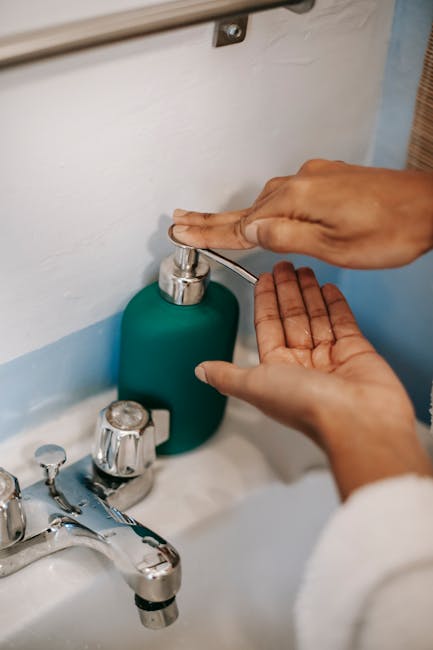
Smart Hand Hygiene Practices for Enhanced Safety and Convenience
No products found.
Reducing bare hand contact is essential for staying healthy, especially in busy places like homes and workplaces. Touchless solutions make it easy to keep hands clean without risking germs. For example, automatic soap dispensers use sensors to release soap, so you don’t need to touch anything. These devices help prevent the spread of bacteria and make hand hygiene quick and effortless. Choosing products that are simple to install and operate can make a big difference in daily routines.
Another smart tip is to use hands-free hand sanitizer stations. These setups allow you to sanitize without touching bottles or pump handles. Keep a small, portable sanitizer in your bag or car for quick access. When shopping, look for products with easy-to-understand features like motion sensors or foot-operated dispensers. Incorporating these touchless tools into your routine improves safety and saves time, making it easier to stay healthy every day.
Effective Use of Disinfectants and Sanitizers to Reduce Transmission Risks
No products found.
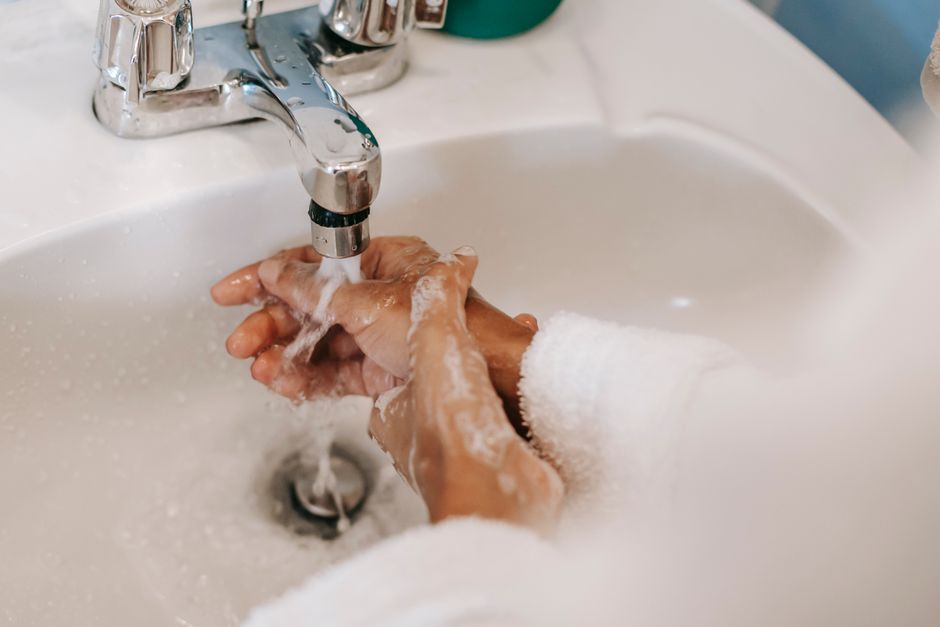
Keeping your hands clean is crucial for preventing germs from spreading. Proper use of disinfectants and hand sanitizers can greatly lower the risk of transmission, especially when you’re out and about or can’t wash your hands immediately. When choosing products, look for the ones that are alcohol-based and contain at least 60% alcohol. These are known to kill most bacteria and viruses effectively. Applying enough sanitizer, covering all hands thoroughly, and letting it dry naturally are key steps for maximum protection.Using disinfectants properly is equally vital, especially in high-touch areas like door handles or grocery bags. Spray or wipe surfaces with an EPA-approved disinfectant, following the manufacturer’s directions. Ensure surfaces stay wet for the recommended contact time to effectively neutralize germs. Regularly disinfect the spaces you share with others to prevent cross-contamination. Combine these cleaning methods with good hand hygiene and minimal bare hand contact to significantly lower transmission risks and keep everyone safer.
Implementing Proper Techniques and Equipment to Promote Safer Hand Practices
No products found.
is essential for reducing bare hand contact and preventing the spread of germs. Start by training everyone to use tools like tongs, glovesor disposable barriers when handling food, medical suppliesor high-touch surfaces. Ensuring everyone understands the importance of these barriers helps establish a culture of safety and minimizes direct hand contact with potentially contaminated surfaces.Providing easy access to these tools throughout the workspace encourages consistent use and makes safe practices a habit.
Investing in user-pleasant equipment also makes a big difference. For example, touchless soap dispensers and automatic hand dryers reduce contact points at hygiene stations. Regularly cleaning and maintaining these tools keeps them effective and reliable. Whenever possible, opt for lightweight, pleasant gloves or utensils designed for quick, easy use. Making these adjustments not only protects health but also reassures others that safety measures are a top priority. Proper techniques combined with suitable equipment significantly improve hand sanitation practices everywhere.
Q&A
Q1: Why is reducing bare hand contact critically important for safer hand hygiene?
A: Minimizing bare hand contact is crucial as it decreases the risk of transferring germs and pathogens. When we touch surfaces or other people with unwashed hands,it creates opportunities for illness transmission. Reducing contact helps keep both individuals and the community healthier.
Q2: What are some innovative methods to avoid touching surfaces with bare hands?
A: Touchless technologies, such as sensor-activated soap dispensers, automatic hand dryers, and touchless faucet controls, are game-changers. They enable you to wash or sanitize hands without physically pressing buttons or handles, significantly lowering contamination chances.
Q3: How can individuals incorporate safer hand hygiene practices into their daily routines?
A: Start by using disposable papers or towels to turn off faucets and open doors after washing or sanitizing hands. Carrying personal hand sanitizers ensures cleanliness without reliance on shared surfaces. Additionally, wearing gloves during certain tasks can serve as a barrier when appropriate.
Q4: Are there any tools or accessories that help reduce bare hand contact?
A: Yes,tools such as disposable paper towels,gloves,or even dedicated “no-touch” tools like grabbers can be used. Some communities have developed key-like devices or hooks designed to open doors or press buttons without direct contact, further reducing contamination risks.
Q5: How critically important is education and awareness in promoting safer hand hygiene practices?
A: Extremely important. Knowledge about minimizing contact and the correct use of touchless devices enhances compliance. Educational campaigns can demystify new technologies and encourage habits that prioritize safety and hygiene.
Q6: What role do institutions and workplaces play in facilitating safer hand hygiene?
A: They can implement touchless infrastructure like automatic doors, sinksand soap dispensers. Providing staff with protective accessories, clear signage, and regular training fosters a culture of safety, making it easier for everyone to reduce contact and maintain good hygiene.
Q7: Are there any challenges or limitations to adopting touchless methods?
A: Costs and infrastructure upgrades can be barriers, especially in older buildings. Maintenance and ensuring sensors function correctly are also vital. Still, the health benefits frequently enough outweigh these hurdles, making investments worthwhile.
Q8: What is the takeaway message for individuals seeking to reduce bare hand contact during hand hygiene?
A: Embrace technology where possible, use simple tools to avoid direct contactand stay informed about best practices. Small changes, like using paper towels or personal accessories, can collectively make a significant difference in maintaining safer hygiene standards.
Q9: How do these approaches align with overall public health efforts?
A: Reducing bare hand contact complements broader health strategies by lowering infection transmission vectors.It promotes safer environments in homes, workplacesand public spaces, contributing to healthier communities overall.
Q10: Where can individuals learn more about innovative hand hygiene practices?
A: Consult reputable health organizations,hygiene product manufacturers,and public health campaigns. Many institutions provide guides, tutorialsand updates on emerging technologies that support safer hand practices.
Concluding Remarks
As we conclude our exploration into minimizing bare hand contact, one thing becomes clear: safeguarding hygiene is a continuous journey rather than a one-time effort. Embracing innovative solutions, staying mindful of best practicesand fostering a culture of cleanliness can transform daily routines into powerful defenses against germs. Remember,each thoughtful action adds a layer of protection-not just for ourselves but for the community at large. In the quest for safer hand hygiene, small changes can lead to significant impacts, paving the way for healthier, more confident days ahead.

